
Japanese plant pots for floors are more than just containers; they’re expressions of a deep-rooted aesthetic. From the meticulous craftsmanship of traditional ceramic pieces to modern interpretations incorporating contemporary materials, these pots offer a unique blend of history and innovation. Their enduring appeal lies in their ability to seamlessly integrate into diverse interior styles, adding a touch of serenity and elegance to any space.
These pots are not merely functional vessels; they embody centuries of Japanese design principles. The careful selection of materials, the symbolic weight of shapes and glazes, and the harmonious integration with plant life are all carefully considered to create a captivating visual experience. Understanding the nuanced interplay between these elements allows us to appreciate the full scope of this fascinating design tradition.
Overview of Japanese-style Floor Pots

Japanese floor pots, a crucial element in traditional gardens and interior design, embody the nation’s deep-rooted appreciation for aesthetics and nature. Their presence transcends mere practicality, serving as powerful visual statements that integrate harmoniously with the surrounding environment. These pots, often crafted with meticulous attention to detail, speak volumes about the cultural values and artistic sensibilities of Japan.Japanese pottery, renowned for its understated elegance and natural forms, translates seamlessly into the design of floor pots.
The emphasis on simplicity, functionality, and the use of natural materials is a defining characteristic. Floor pots are no exception, carefully considered not only for their visual appeal but also for their ability to enhance the overall atmosphere of a space.
Traditional Aesthetics in Japanese Pottery
Japanese aesthetics prioritize a harmony between the natural world and human creations. This concept, known as “wabi-sabi,” embraces imperfection, natural beauty, and the passage of time. In floor pots, this translates to designs that mimic the shapes and textures of rocks, wood, or flowing water. The subtle variations in color and surface are often prized over perfect symmetry, reflecting the natural world’s inherent beauty.
The pots’ relationship to their surroundings is as significant as their inherent form.
Materials Used in Japanese Floor Pots
Ceramics, particularly stoneware and porcelain, are common materials. The choice of material often reflects the desired aesthetic and the pot’s intended function. Stoneware, with its often rough texture, is frequently used for larger, more rustic floor pots, evoking a sense of earthiness. Porcelain, renowned for its fine texture and glossy finish, is often preferred for smaller, more delicate pots, lending a sense of refinement.
Natural materials like wood or bamboo are also used, particularly in smaller, decorative pieces or as supporting structures.
Historical and Cultural Significance
Japanese floor pots have a long and rich history, deeply entwined with the country’s cultural and artistic heritage. Their design has evolved over centuries, reflecting shifts in societal values and artistic trends. Initially, floor pots were often functional, serving practical needs in gardens or homes. Over time, they became increasingly important as artistic statements, enhancing the beauty and ambiance of the space.
They are an important aspect of Japanese tea ceremonies and garden design.
Common Sizes and Shapes
Floor pots vary significantly in size and shape, ranging from compact, decorative pieces to large, imposing structures. Common shapes include rounded forms, square or rectangular designs, and stylized representations of natural elements like rocks or trees. The size of the pot is carefully considered in relation to the space in which it is placed, ensuring a harmonious balance.
A large pot in a small area can overwhelm the space, whereas a small pot in a large area might be lost.
Symbolic Meaning Behind Different Designs
The designs of Japanese floor pots often carry symbolic meanings, reflecting the cultural values and beliefs of the time. Rounded forms may represent the cyclical nature of life, while square or rectangular designs can symbolize order and stability. Designs incorporating natural elements, such as rocks or trees, often evoke a connection to nature and its inherent beauty. The careful consideration of form and function allows the pots to become imbued with symbolic meanings, enriching the cultural experience of the beholder.
Modern Interpretations of Japanese Floor Pots
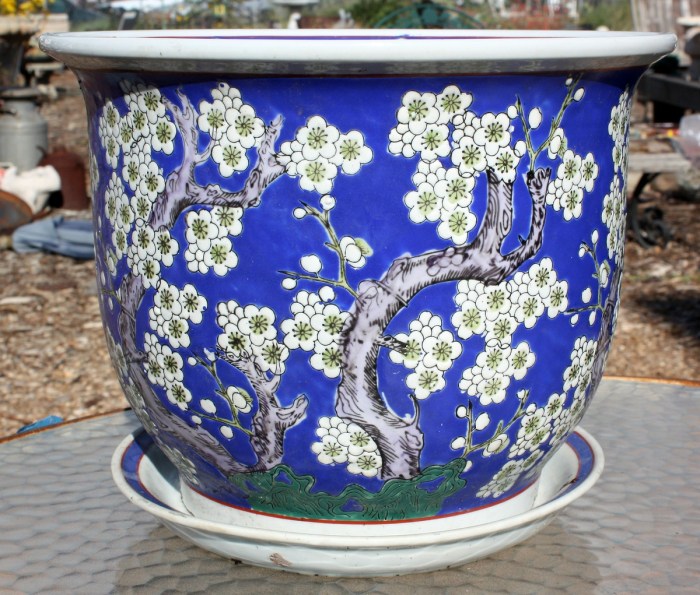
Japanese floor pots, steeped in centuries of tradition, are experiencing a resurgence in contemporary design. Contemporary designers are not simply replicating the past, but are infusing these time-honored forms with innovative materials and techniques, resulting in a fresh aesthetic that seamlessly integrates into modern interiors. This fusion of tradition and modernity speaks to the enduring appeal of Japanese design principles, particularly its emphasis on harmony with nature and the pursuit of aesthetic simplicity.Contemporary designers are reimagining the traditional Japanese floor pot aesthetic by exploring new materials and manufacturing methods.
This approach not only updates the traditional forms but also allows for a greater range of design possibilities. The resulting pots often incorporate modern materials like polished concrete, stainless steel, or meticulously crafted ceramics, offering a striking juxtaposition with the historical forms.
Modern Materials and Techniques
The use of contemporary materials and techniques in Japanese floor pots allows for a broader range of design possibilities and aesthetics. For example, polished concrete, with its inherent textural qualities, can be shaped into striking, sculptural forms that contrast with the more delicate, traditional ceramic pots. Stainless steel, with its sleek and modern appearance, can be used to create pots that are both functional and visually appealing.
Moreover, advanced ceramic techniques allow for the creation of intricate patterns and designs, giving these pots a sophisticated and artistic edge. These materials and techniques bring a fresh perspective to the traditional forms while retaining their core aesthetic values.
Contemporary Aesthetics
Contemporary interpretations of Japanese floor pots often incorporate elements of minimalism, a core aesthetic value in modern design. The focus on clean lines, simple forms, and the use of natural materials creates a serene and uncluttered atmosphere. These pots are often designed to be unobtrusive, allowing the surrounding environment to take center stage. The inherent elegance and understated sophistication of Japanese design principles are highlighted, appealing to those who appreciate simplicity and understated beauty.
The color palette often leans towards neutral tones, like muted grays, earthy browns, or subtle greens, further enhancing the sense of calm and harmony.
Role in Contemporary Interior Design
Japanese floor pots play a vital role in contemporary interior design, often serving as focal points or subtle accents. Their ability to blend seamlessly with various room styles makes them versatile and adaptable to different aesthetic preferences. In minimalist settings, the clean lines and muted tones of the pots complement the surrounding décor. In Zen-inspired spaces, the pots’ serene presence enhances the sense of tranquility and harmony.
In modern settings, their unique shapes and materials add a touch of cultural sophistication and understated elegance.
Integration into Various Room Styles
Japanese floor pots can seamlessly integrate into diverse room styles, including minimalist, Zen, and modern. In minimalist spaces, the pots’ simple forms and neutral colors complement the clean lines and uncluttered aesthetic. The pots’ serene presence enhances the tranquility and harmony in Zen-inspired settings. In modern interiors, the pots’ unique shapes and materials, such as polished concrete or stainless steel, offer a striking contrast to the contemporary design.
The pots’ ability to blend into various styles makes them a desirable addition to any modern home or office.
Types of Plants Suitable for Japanese Floor Pots
Japanese-style floor pots, with their minimalist aesthetic and emphasis on natural beauty, offer a unique canvas for showcasing a diverse range of plants. Selecting the right species is crucial for achieving a harmonious blend of form and function, ensuring the plant thrives within the pot’s design while complementing the overall aesthetic. Careful consideration of plant care requirements is equally vital for long-term success.Choosing the right plant for a Japanese-style floor pot hinges on factors beyond mere visual appeal.
The plant’s size, growth habit, and specific care needs must align with the pot’s scale and the available space. This selection process ensures the plant flourishes while maintaining the pot’s intended visual impact.
Plants Well-Suited for Japanese Floor Pots
The choice of plants for Japanese floor pots is guided by their inherent qualities, including their ability to thrive in the conditions typically offered by these pots, and their visual harmony with the pot’s aesthetic. This selection process balances aesthetic appeal with practical considerations.
- Fiddle-Leaf Figs (Ficus lyrata): These striking plants are known for their large, fiddle-shaped leaves, which provide a dramatic focal point in a Japanese-style floor pot. They prefer bright, indirect light and consistently moist soil. Regular misting can help maintain humidity, crucial for their health. Their lush, deep green foliage creates a strong visual contrast against the natural tones of the pot, enhancing the overall aesthetic appeal.
They are also relatively easy to maintain if provided with the right conditions.
- Monsteras (Monstera deliciosa): The iconic “Swiss cheese plant” is a popular choice for its unique, perforated leaves. They thrive in bright, indirect light and prefer consistently moist soil. Monsteras are relatively low-maintenance, but their growth rate can be rapid. Their distinctive foliage adds a touch of tropical elegance to a Japanese-style floor pot. The contrast between the holes in the leaves and the surrounding greenery can be a visually compelling element.
- Chinese Evergreen (Aglaonema): This versatile plant comes in various colors and patterns, making it an excellent choice for adding visual interest to Japanese floor pots. They tolerate low light conditions and infrequent watering, making them perfect for those with less experience in plant care. The range of colors and patterns in Chinese evergreens can create a captivating display within the pot’s design.
They are relatively low-maintenance and can adapt to different light conditions.
- Bamboo Palm (Chamaedorea elegans): This graceful palm adds a touch of elegance and sophistication to Japanese-style floor pots. They thrive in bright, indirect light and consistently moist soil. Regular watering and fertilization are key to maintaining their lush appearance. The elegant, upright growth habit of the bamboo palm complements the minimalist aesthetic of the pot. Their delicate foliage adds a touch of sophistication to the space.
Plant Care Requirements
Careful attention to plant care is crucial for the longevity and health of the plants in Japanese-style floor pots. The plants’ specific needs must be considered to ensure optimal growth and visual appeal.
| Plant Name | Care Requirements | Visual Appeal in Japanese Floor Pots |
|---|---|---|
| Fiddle-Leaf Fig | Bright, indirect light; consistently moist soil; regular misting | Dramatic, large leaves; strong visual contrast with pot; lush foliage |
| Monstera | Bright, indirect light; consistently moist soil; relatively low maintenance | Unique, perforated leaves; tropical elegance; visual interest |
| Chinese Evergreen | Tolerates low light; infrequent watering; versatile colors and patterns | Varied colors and patterns; visual interest; adaptability to different light conditions |
| Bamboo Palm | Bright, indirect light; consistently moist soil; regular watering and fertilization | Elegant, upright growth; complements minimalist aesthetic; delicate foliage |
Visual Appeal and Aesthetic Considerations
The visual impact of the plants in Japanese floor pots depends on the harmonious blend of their leaf shapes, colors, and textures. This balance contributes to the overall aesthetic appeal.Different plants offer diverse visual appeals. For instance, the large, fiddle-shaped leaves of a fiddle-leaf fig create a dramatic focal point, while the perforated leaves of a monstera add a touch of tropical elegance.
The varied colors and patterns of a Chinese evergreen introduce visual interest, and the graceful, upright growth of a bamboo palm adds sophistication.
Pot Placement and Arrangement Ideas
Japanese floor pots, with their minimalist aesthetic and natural forms, offer a unique opportunity to create serene and visually engaging spaces. Their presence can transform a room, bringing a touch of tranquility and the beauty of nature indoors. Careful placement and arrangement are key to maximizing the impact of these elegant pieces.
Layout Design for Japanese Floor Pots
Effective layout hinges on understanding the proportions and aesthetic principles of Japanese design. Consider the overall size of the room and the scale of the pots. Smaller pots work well clustered together, while larger, statement pieces can anchor a room. Balance and harmony are crucial; don’t overcrowd the space. Think about creating visual pathways through the arrangement, allowing the eye to flow naturally.
A well-placed pot can act as a focal point, drawing attention to a specific area or highlighting a particular feature of the room.
Placement Options and Considerations
| Placement Option | Considerations | Visual Impact |
|---|---|---|
| Focal Point | A single large pot placed prominently in a corner or against a wall can serve as a strong visual anchor. | Creates a dramatic focal point and draws attention to a specific area. |
| Grouping | Clusters of smaller pots of varying heights and textures can create depth and visual interest. | Creates a sense of dynamism and visual depth, showcasing the variety of plants and pots. |
| Along a Pathway | Pots placed strategically along a walkway or pathway can enhance the flow and create a sense of visual progression. | Guides the eye through the space and creates a dynamic sense of movement. |
| Adjacent to Furniture | Positioning pots near seating areas or other furniture adds a touch of nature to the living space. | Creates a sense of tranquility and harmony, bringing the outdoors in. |
| Against a Wall | A single, tall pot placed against a wall creates a vertical element and adds visual interest. | Highlights the vertical lines and textures of the pots. |
Arrangement for Visual Interest
A key aspect of arranging multiple pots is creating visual interest. Varying heights and textures of pots and plants creates a more dynamic display. Consider contrasting colors and materials of the pots to create visual impact. Think about the interplay of light and shadow, using these elements to highlight the forms and textures of the pots and plants.
Strategic use of negative space is crucial for creating a sense of calm and preventing the arrangement from feeling cluttered. For example, a cluster of three medium-sized pots with different textures and plant types creates a more visually appealing and dynamic arrangement than placing three identical pots together.
Role of Lighting in Highlighting Beauty
Natural light is ideal for highlighting the natural beauty of the plants and pots. Strategic placement of the pots to maximize natural light can enhance the overall aesthetic. In rooms with limited natural light, consider using warm-toned lamps or spotlights to create a gentle ambiance and highlight the textures and colors of the plants and pots. For instance, placing a spotlight on a particular pot or plant can draw attention to its unique qualities.
Arranging Plants in Japanese-Style Pots
Proper plant selection is essential. Consider plants that thrive in the environment and complements the aesthetic. Choose plants that have interesting textures and forms, such as ferns, bamboo, or small trees. Plants should be appropriately sized for the pots and maintain a healthy appearance. The style of the pot should complement the characteristics of the plant.
For example, a sleek, modern pot complements a minimalist plant like a succulent, while a more ornate pot might complement a plant with lush foliage.
Materials and Construction Techniques
Japanese floor pots, a testament to centuries of artistic refinement, are meticulously crafted using a range of materials and techniques. Their enduring appeal stems not only from their aesthetic beauty but also from the inherent quality of the materials and the dedication to craftsmanship. This approach results in pieces that are not just functional but also imbued with a sense of history and cultural significance.Japanese floor pots exhibit a remarkable diversity in materials, reflecting the versatility of the craft and the inherent properties of each.
The selection of material directly impacts the pot’s visual aesthetic, tactile feel, and overall durability. Furthermore, the chosen construction techniques highlight the skill and artistry of the potters.
Materials Used
The selection of materials for Japanese floor pots often hinges on their ability to withstand the elements, maintain structural integrity, and complement the desired aesthetic. Common materials include:
- Ceramic: A ubiquitous choice, ceramic offers a wide spectrum of colors, glazes, and textures. Its strength and durability make it suitable for outdoor use, while its ability to be molded into various shapes allows for artistic expression. The firing process imparts a distinct character, often highlighting the inherent beauty of the clay. Examples include traditional stoneware and porcelain, each exhibiting unique characteristics and properties.
- Wood: While less common for large floor pots, wood, especially hardwoods like cedar or cypress, is sometimes used for smaller, decorative pieces. The natural grain and warm tones of wood create a unique aesthetic, particularly in conjunction with other materials. Wood’s inherent natural qualities offer a connection to nature and sustainability.
- Stone: Rarely used for the entire pot, stone is sometimes incorporated for decorative elements, or the pot may be constructed with a stone base or outer layer. This adds a sense of permanence and weight, enhancing the overall visual impact. Different stones exhibit various colors and textures, allowing for unique combinations. The inherent durability and natural beauty of stone make it a suitable material for outdoor applications.
Construction Techniques
The creation of Japanese floor pots often involves a series of meticulous steps, each reflecting the dedication to quality and craftsmanship.
- Hand-building: Many Japanese floor pots are handcrafted, employing techniques like coiling, slab building, or pinching. These methods allow potters to mold the clay into intricate forms, ensuring a close connection to the material and the artistry of the process. This technique, favored for its flexibility and control over form, often results in unique and organic shapes.
- Wheel-throwing: While hand-building remains prevalent, wheel-throwing is also used for certain Japanese floor pots. This technique, although mechanized, retains a significant element of artistic control. It allows for more precise and symmetrical shapes, offering a different aesthetic and a distinct feel.
- Glazing: The glazing process is crucial in enhancing the pot’s aesthetics and protecting it from weathering. A wide variety of glazes, including transparent, opaque, and matte finishes, are applied to create distinctive visual effects. Glazes can range from muted tones to vibrant colors, further enhancing the pot’s appeal.
Craftsmanship and Importance
The artistry of Japanese floor potters is deeply intertwined with the concept of craftsmanship. The emphasis is not simply on creating a functional object but also on imbuing it with a sense of history and cultural heritage.
- Tradition and Skill: Traditional techniques are passed down through generations, ensuring the continuity of a unique skill set. This dedication to tradition results in a remarkable consistency in the quality and design of Japanese floor pots.
- Attention to Detail: Japanese potters meticulously craft each element, from the initial shaping to the final glaze application. This meticulous attention to detail reflects a deep respect for the materials and the process itself. This results in a finished product that not only meets aesthetic expectations but also carries a sense of precision and quality.
- Sustainability: The dedication to craftsmanship often extends to environmentally conscious practices, emphasizing the use of local materials and sustainable techniques. This commitment to sustainability underscores the cultural significance of the craft and the potential for longevity.
Comparison of Materials
| Material | Pros | Cons |
|---|---|---|
| Ceramic | Durable, versatile, wide range of colors and glazes | Can be brittle if not handled carefully |
| Wood | Natural beauty, warm tones, sustainable | Susceptible to weathering, less durable |
| Stone | Permanent, natural beauty, heavy | Limited in form, often requires a secondary material |
Glazes and Finishes
Japanese floor pots exhibit a diverse range of glazes and finishes, each contributing to the pot’s unique character. These techniques reflect a deep understanding of the material properties and the desired aesthetic outcome.
- Glaze Types: Japanese glazes can be transparent, opaque, matte, or glossy, each creating a distinct visual effect. The choice of glaze directly impacts the pot’s overall appearance and its ability to withstand environmental conditions.
- Finish Techniques: Beyond glazes, various finishing techniques like hand-painting or the application of decorative elements further enhance the artistic expression. These techniques add layers of visual interest and complexity.
Maintenance and Care of Japanese Floor Pots
Japanese floor pots, with their exquisite craftsmanship and aesthetic appeal, require diligent care to maintain their beauty and prolong the lifespan of the plants they house. Proper maintenance extends beyond simply watering; it encompasses a holistic approach to preserving the integrity of the pot and the health of the plant. This includes understanding the unique characteristics of different materials, proper cleaning techniques, and optimal watering and fertilizing practices.Maintaining the pristine appearance of these elaborate vessels requires a keen eye for detail and a commitment to consistent upkeep.
Ignoring proper care can lead to damage, discoloration, and even compromise the structural integrity of the pot, ultimately affecting the plant’s well-being.
Maintaining the Aesthetic Appeal
To preserve the aesthetic charm of Japanese floor pots, regular inspection and cleaning are essential. The intricate details and often delicate materials necessitate a gentle touch. Dust accumulation, for instance, can diminish the visual appeal over time. Regular wiping with a soft, damp cloth, ideally a microfiber cloth, can prevent build-up.
Proper Cleaning Techniques
The cleaning method depends heavily on the material of the pot. Aggressive scrubbing or harsh chemicals can damage delicate surfaces like lacquered wood or porcelain. A gentle approach, tailored to the specific material, is crucial. For example, avoid using abrasive cleaners on glazed ceramic, as this can scratch the surface.
Preventing Damage and Maintaining Integrity
Japanese floor pots, often crafted with intricate designs and delicate construction, require careful handling to prevent damage. Avoid placing heavy objects on top of the pots, especially those with fragile bases or decorations. Ensure the plants are not overly heavy, especially when they’re in their growing stage, to prevent the pot from being strained.
Watering and Fertilizing Practices
The optimal watering and fertilizing strategies for plants in Japanese floor pots are crucial for their health and longevity. Overwatering can lead to root rot, while under-watering can cause wilting and stress. Monitor the soil moisture regularly and adjust watering frequency accordingly. Observe the plant’s response to watering and adjust as needed. Likewise, using the correct fertilizer type and concentration is paramount.
Follow the manufacturer’s instructions for dilution and application. Applying fertilizer too often can harm the delicate root systems of the plants.
Table of Care for Different Materials
| Material | Cleaning Technique | Watering Considerations | Fertilizing Considerations |
|---|---|---|---|
| Lacquered Wood | Gentle wiping with a damp, soft cloth; avoid harsh chemicals. | Allow soil to dry slightly between waterings. Avoid standing water. | Use a diluted liquid fertilizer, following manufacturer’s instructions. |
| Glazed Ceramic | Mild dish soap and warm water; avoid abrasive cleaners. | Check soil moisture regularly and adjust watering frequency accordingly. | Use a water-soluble fertilizer appropriate for the plant’s needs. |
| Porcelain | Gentle wiping with a damp cloth and mild soap; avoid harsh scrubbing. | Allow soil to dry out slightly between waterings. | Use a liquid fertilizer specifically formulated for potted plants. |
Shopping and Sourcing Options
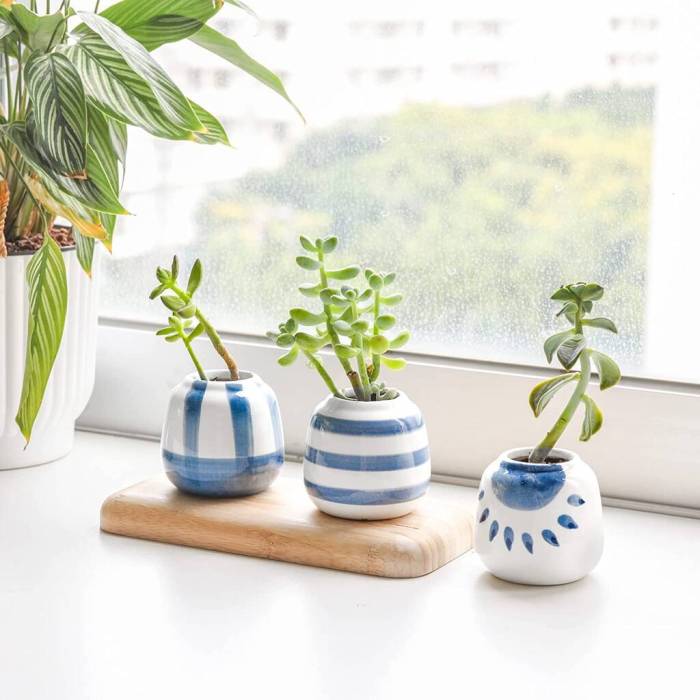
Japanese floor pots, with their intricate designs and often-unique materials, offer a distinctive aesthetic for any home. Navigating the market for these pieces, however, requires understanding both the online and physical retail landscapes. Careful consideration of the pot’s origin, craftsmanship, and price point is crucial to acquiring a piece that aligns with both aesthetic preferences and financial considerations.Reputable online retailers and local stores alike offer a diverse range of Japanese floor pots, catering to various budgets and design sensibilities.
Choosing the right source ensures a quality product that reflects the traditional craftsmanship and artistry of these unique vessels.
Reputable Online Retailers
Finding reliable online retailers for Japanese floor pots requires diligence. Sites specializing in Asian art, home décor, or even antique marketplaces are good starting points. Look for vendors with detailed product descriptions, high-quality images, and customer reviews. Verifying the retailer’s authenticity and commitment to customer service is essential. A seller’s track record with similar items can provide insights into the quality and reliability of their offerings.
Local Stores Offering Japanese Floor Pots
Local stores, particularly those specializing in Asian antiques or home furnishings, can provide a more hands-on experience. Visiting these stores allows for direct interaction with the product and the potential to discuss its origin and craftsmanship with knowledgeable staff. This hands-on approach can help in determining the authenticity and quality of the pot, which is a crucial factor when investing in a Japanese floor pot.
Price Ranges for Japanese Floor Pots
Japanese floor pots span a considerable price range. Budget-friendly options might feature simpler designs, less exotic materials, or be smaller in size. More elaborate designs, intricate details, rare materials, and large sizes typically command higher prices. For example, a basic, glazed ceramic pot might cost a few hundred dollars, while a meticulously crafted, antique-style piece from a renowned artisan could cost several thousand.
Understanding the potential price variations helps in setting realistic expectations.
Origin and Craftsmanship
Considering the origin and craftsmanship of a Japanese floor pot is paramount. Japanese craftsmanship, particularly in ceramics, often involves intricate techniques and meticulous attention to detail. A pot’s origin often reflects its unique style and potential value. For instance, a pot crafted by a renowned artisan in a specific region of Japan will likely command a higher price than a mass-produced replica.
Knowing the pot’s origin can add to its cultural significance and enhance its aesthetic appeal.
Role of Online Marketplaces
Online marketplaces play a significant role in sourcing Japanese floor pots. Platforms like Etsy, eBay, and specialized Asian art marketplaces offer a wider selection of items from individual sellers and smaller businesses. However, careful evaluation of the seller’s credentials and the product’s authenticity is vital. While these platforms offer potential cost savings, the lack of direct interaction with the seller can increase the risk of receiving an inferior product.
Thorough research and buyer protection measures can mitigate these risks.
Visual Inspiration and Design Ideas
Japanese floor pots, with their minimalist aesthetic and deep cultural roots, offer a unique opportunity to infuse a home with tranquility and sophistication. These pots, often crafted from natural materials like ceramic or wood, transcend mere containers; they become integral design elements, enriching the living space with a sense of harmony and artistry. Their versatility allows seamless integration into various home décor styles, from traditional Japanese to modern interpretations.Japanese aesthetics, deeply rooted in nature and simplicity, prioritize harmony and balance.
Floor pots, with their emphasis on form, texture, and the relationship between the plant and its surroundings, provide a perfect embodiment of this philosophy. Careful consideration of pot size, shape, material, and placement is crucial for creating a visually appealing and culturally evocative space.
Visual Inspiration Gallery
Japanese floor pots, when thoughtfully integrated into a home, can create a calming and serene atmosphere. The natural materials and subdued color palettes evoke a sense of tranquility, while the artistic forms and textures add visual interest. Consider the image of a meticulously crafted, dark-gray ceramic pot, holding a vibrant fern. This visual pairing seamlessly blends the earthy tones of the pot with the lush green foliage, establishing a striking yet harmonious aesthetic.
Another image might depict a light-wood, square-shaped pot housing a bamboo plant, emphasizing the connection between nature and the architectural form.
Inspirational Quotes on Japanese Aesthetics
“The beauty of things exists in their imperfection.”
(Attributed to various Zen masters)
“Simplicity is the ultimate sophistication.”
Leonardo da Vinci (Though not specifically about Japanese aesthetics, it reflects a core principle.)
“The essence of Zen is not to do things but to be things.” – (Unknown)
These quotes encapsulate the essence of Japanese aesthetics, emphasizing the beauty of imperfection, the power of simplicity, and the importance of being present in the moment.
Design Ideas for Different Home Décor Styles
Integrating Japanese floor pots into existing décor styles can enhance their unique appeal. For a contemporary minimalist setting, a sleek, geometric ceramic pot paired with a modern succulent collection could create a focal point. In a traditional Japanese-style room, a handcrafted, natural-wood pot with a bamboo plant would enhance the space’s tranquil ambiance. A rustic farmhouse design could benefit from a weathered, terracotta-colored pot holding a trailing vine, blending natural elements seamlessly.
Choosing the Right Pot to Complement Existing Décor
Consider the existing color palette and materials in your home. A light-colored pot might complement a bright, airy space, while a dark-colored pot could provide a striking contrast in a room with neutral tones. The shape and size of the pot should also harmonize with the overall scale and proportions of the room. For instance, a tall, narrow pot might be suitable for a long, narrow space, while a wider, squat pot might work better in a room with more square footage.
Creating a Calming and Serene Atmosphere
Japanese floor pots can be strategically placed to create a tranquil and inviting environment. Positioning pots near windows or in corners can draw the eye to their serene beauty. Arranging the pots in a thoughtful manner, perhaps with varying heights and textures, can create a sense of visual interest and depth. The combination of the plants, pots, and surrounding décor can generate a calming and serene atmosphere.
Sustainability and Ethical Considerations
Japanese floor pots, with their aesthetic appeal and connection to tradition, often raise questions about their environmental footprint and the ethical implications of their production. The materials used, sourcing practices, and the overall manufacturing processes significantly impact the sustainability of these beautiful pieces. Understanding these factors is crucial for consumers seeking to make informed choices that align with their values.The increasing awareness of environmental concerns and ethical sourcing prompts a deeper look into the sustainability of Japanese floor pots.
This involves examining the materials, manufacturing techniques, and the role of supporting local artisans and potters. By understanding these factors, consumers can make more responsible choices, fostering a more sustainable future for the craft and the planet.
Environmental Impact of Materials
The materials used in Japanese floor pots, such as clay, wood, and metal, vary significantly in their environmental impact. Clay, a naturally occurring material, is generally considered less impactful than other materials, provided it is sourced responsibly. However, the energy required for firing and the potential for transportation emissions can contribute to the overall carbon footprint. Wood, often used for structural elements or decorative accents, should be sourced from sustainably managed forests to minimize deforestation and protect biodiversity.
Metal, like iron or bronze, can have a higher environmental impact due to the energy-intensive processes involved in their extraction and refining. The choice of materials and the associated manufacturing processes significantly affect the sustainability of the final product.
Ethical Sourcing of Materials
Ethical sourcing practices are critical in ensuring the responsible production of Japanese floor pots. This includes considering the origin of materials, the working conditions of the artisans, and the environmental impact of the manufacturing process. Using clay sourced from local regions reduces transportation emissions and supports local economies. Likewise, using sustainably harvested wood from certified forests minimizes deforestation and protects ecosystems.
Transparency in the supply chain and clear labeling of materials can help consumers identify and support ethically sourced pots.
Sustainable Practices in Japanese Pottery
Japanese pottery traditions often incorporate sustainable practices. The use of locally sourced clay and the focus on minimal waste during production are common examples. Traditional methods of glazing and firing can be energy-efficient, reducing the overall carbon footprint. Some potters are exploring alternative firing techniques, such as using wood or natural gas as fuel, further minimizing their environmental impact.
This commitment to sustainable practices ensures that the craft continues to thrive without compromising the planet’s resources.
Table of Sustainable Options and Environmental Benefits
| Sustainable Option | Environmental Benefit |
|---|---|
| Locally sourced clay | Reduced transportation emissions, support for local economies |
| Sustainably harvested wood | Minimized deforestation, protection of biodiversity |
| Energy-efficient firing techniques | Reduced carbon emissions, minimized environmental impact |
| Minimal waste production | Conservation of resources, reduced landfill waste |
Importance of Supporting Local Artisans and Potters
Supporting local artisans and potters is vital for maintaining traditional crafts and preserving cultural heritage. Local artisans often employ sustainable practices and are deeply connected to their communities. Purchasing from them directly fosters economic empowerment and promotes responsible craftsmanship. Moreover, supporting local producers strengthens the local economy and ensures the continuity of traditional knowledge and skills. This approach ensures that the craft is preserved and that its sustainability is enhanced through the direct support of the local artisans.
Comparison with Other Pot Styles

Japanese floor pots, with their minimalist aesthetic and deep cultural roots, stand apart from Western and modern pot styles. Their distinctive forms, materials, and symbolism offer a unique visual and experiential dimension compared to the often more functional and contemporary approaches found in other design traditions. These differences stem from varying cultural priorities, artistic sensibilities, and philosophical approaches to the relationship between humans and nature.Japanese floor pots are not simply containers for plants; they are often integral components of a larger aesthetic vision, embodying a harmony between the natural world and the human-built environment.
This focus on harmony and natural beauty distinguishes them significantly from the often more utilitarian or abstract approaches of other pot styles.
Distinguishing Characteristics of Japanese Floor Pots
Japanese floor pots are characterized by their emphasis on natural forms, understated elegance, and a focus on the beauty of the plant itself. They are designed to complement the plant’s natural growth and shape, rather than drawing attention to the pot itself. Materials such as ceramic, stone, or lacquered wood are often chosen for their inherent beauty and subtle textures.
The subtle color palettes and restrained ornamentation further emphasize the natural forms and enhance the sense of tranquility.
Comparison with Western Pot Styles
Western pot styles, particularly those found in modern design, often prioritize function, material innovation, and bold geometric forms. While Western pots may offer practical solutions for gardening, they sometimes lack the delicate balance and cultural resonance of Japanese floor pots. Western pots might be more focused on the pot’s visual impact or the ease of maintenance, while Japanese pots prioritize the plant’s growth and integration with the surrounding environment.
The focus on minimalism and natural materials in Japanese designs creates a sense of serenity and contemplation that is often absent in other styles.
Comparison with Modern Pot Styles
Modern pot styles, often characterized by sleek lines, vibrant colors, and innovative materials, offer a contemporary take on container gardening. While modern pots may be aesthetically pleasing in their own right, they sometimes prioritize the pot’s form over the plant’s natural growth. Japanese floor pots, in contrast, prioritize the harmonious integration of plant and container, creating a sense of balanced growth and serene visual appeal.
Table Comparing Japanese Floor Pots with Other Styles
| Feature | Japanese Floor Pots | Western Pots | Modern Pots |
|---|---|---|---|
| Aesthetic | Natural forms, understated elegance, emphasis on plant | Functional, practicality, variety of styles | Sleek lines, vibrant colors, innovative materials |
| Material | Ceramic, stone, lacquered wood | Clay, ceramic, metal, plastic | Metal, resin, concrete, glazed ceramic |
| Cultural Context | Rooted in Japanese aesthetics (e.g., Zen gardens, wabi-sabi) | Reflects Western design principles and trends | Expresses contemporary design sensibilities |
| Focus | Harmonious integration of plant and pot | Functionality and aesthetics | Visual impact and material innovation |
Future Trends in Japanese Floor Pots
Japanese floor pots, steeped in centuries of tradition, are poised for evolution. Emerging design trends, coupled with a continued appreciation for craftsmanship, will likely shape the future of these iconic pieces. The integration of sustainable materials and innovative construction techniques will be crucial in adapting these traditional forms to modern aesthetics.
Potential Evolution of Japanese Floor Pots
The future of Japanese floor pots will likely see a blend of tradition and innovation. Designers will likely explore ways to incorporate modern materials and techniques while maintaining the essential aesthetic elements that define these pots. The emphasis on natural materials, such as bamboo, wood, and ceramic, will likely remain prominent, with increasing attention paid to sustainable sourcing and ethical production practices.
Influence of Emerging Design Trends
The influence of minimalism, biophilic design, and the growing interest in sustainable practices will be pivotal in shaping the design of Japanese floor pots. Minimalist designs will likely feature clean lines and simple forms, emphasizing the natural beauty of the plant and the pot’s structural integrity. Biophilic design will prioritize the integration of natural elements, incorporating organic shapes and textures.
Sustainable practices will dictate the use of recycled or reclaimed materials and eco-friendly production methods.
Potential Materials and Techniques
Future Japanese floor pots may incorporate innovative materials and techniques. Recycled ceramic, bamboo composite materials, and even 3D-printed components are potential options for creating unique designs. Advanced glazing techniques, or innovative treatments of existing materials, may be employed to enhance the pots’ visual appeal and durability. Furthermore, the exploration of new methods of joining and assembling components will contribute to the diversification of design possibilities.
Continued Appreciation for Traditional Craftsmanship
Despite the incorporation of new materials and techniques, the importance of traditional craftsmanship in Japanese floor pots will likely endure. The meticulous hand-work and attention to detail associated with traditional Japanese craftsmanship will likely continue to be highly valued, particularly in premium-priced pots. Collaborations between traditional artisans and contemporary designers will likely create innovative designs that blend old and new techniques.
Summary of Potential Trends
- Emphasis on Sustainable Materials and Production: The use of recycled or reclaimed materials, ethically sourced wood, and bamboo will likely increase, reflecting a growing global awareness of sustainability.
- Integration of Modern Materials and Techniques: Innovative materials such as 3D-printed components and advanced glazing techniques will likely be incorporated, offering new design possibilities and enhanced aesthetic qualities.
- Blending of Traditional and Modern Aesthetics: The design of Japanese floor pots will likely maintain core traditional aesthetic elements, while incorporating elements from minimalist, biophilic, and sustainable design trends.
- Continued Importance of Craftsmanship: The traditional Japanese craftsmanship of hand-work and attention to detail will remain highly valued in premium-priced floor pots, potentially leading to collaborations between traditional artisans and contemporary designers.
- Customization and Personalization: Customization options for Japanese floor pots, allowing for personalization based on individual preferences, will likely become more prevalent.
Concluding Remarks
From traditional forms to contemporary interpretations, Japanese floor pots for plants represent a timeless fusion of artistry and practicality. Their ability to enhance any space, whether minimalist, Zen, or modern, makes them a captivating choice for the discerning home decorator. By understanding the historical context, material considerations, and meticulous care required, one can appreciate the true beauty and enduring appeal of these unique vessels.
